Source Clear Plastic Boba Cup With Cover for Tea, Juice, and Cold Drinks
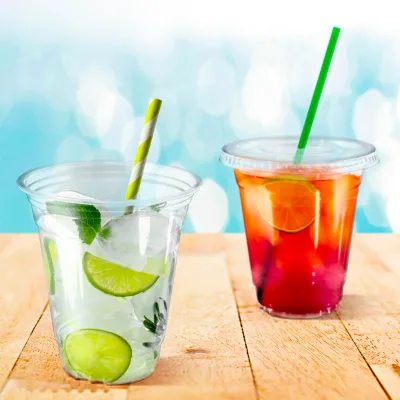
Compare 30 listings for clear plastic boba cup with cover options made from PP or PET materials. Buyers can evaluate customization, lid types, and temperature resistance for beverage packaging needs; compare the available evidence and request quotations based on your requirements.
Key considerations
Products List




Comprehensive Sourcing Guide
Clear Plastic Boba Cup with Cover Sourcing Guide
Procurement teams must first distinguish between single-wall and multi-wall constructions when sourcing clear plastic boba cups, as the observed product data indicates a prevalence of single-wall designs suitable for immediate beverage service. The available listings highlight specific material variations, including polypropylene and PET, which dictate the thermal limits and structural integrity required for different drink types. Buyers should verify whether the supplier offers cups with lids or without lids, as the presence of a cover is critical for preventing spills during the transport of boba tea and other viscous beverages.
The commercial landscape for these items reveals a wide range of minimum order quantities, with observed thresholds spanning from 999 to 50,000 units, necessitating careful inventory planning. While some suppliers list a standard MOQ of 5,000 pieces, others may require orders of 10,000 units, directly impacting the initial capital outlay for new market entrants. It is essential to confirm if the supplier accepts custom orders for specific capacities, such as the 16-ounce models observed, and to understand the packaging standards, which vary between 500 and 1,000 pieces per carton to optimize shipping logistics.
Product Scope and Observed Listing Signals
The product scope for clear plastic boba cups encompasses a variety of usage scenarios, ranging from hot and cold beverages to jelly cups and general food packaging. The observed data confirms that these cups are designed to hold both hot and cold drinks, with specific temperature tolerances noted for different materials, such as polypropylene handling up to 120 degrees Celsius and PET suitable for temperatures up to 50 degrees Celsius. This versatility allows buyers to source a single SKU for diverse menu items, provided the thermal limits of the specific plastic type are respected during operation.
Listing signals indicate a strong emphasis on customization, with options for up to six colors of logo printing and various printing techniques like offset, silk screen, and heat transfer. The visual presentation of these cups often includes round shapes and customized colors, catering to brands seeking a distinct aesthetic identity. Buyers should note that while some listings describe the product as disposable, others may classify it as non-disposable, requiring a clear definition of the intended lifecycle and usage frequency to ensure the selected product aligns with operational sustainability goals.
Technical Specifications to Verify
Technical verification must begin with the material composition, as the observed listings specify both polypropylene and PET as primary materials, each offering distinct performance characteristics. Polypropylene is noted for its higher heat resistance, making it suitable for hot tea, whereas PET is often preferred for its clarity and is typically rated for cold beverages up to 50 degrees Celsius. Procurement teams should explicitly request material data sheets to confirm the specific plastic type, ensuring it matches the intended beverage temperature and viscosity requirements of the boba tea being served.
Dimensional accuracy and accessory compatibility are equally critical, with observed specifications including a diameter of 98mm and capacities up to 16 ounces. The availability of lids, such as PP or PET lids, must be confirmed to ensure a secure seal that prevents leakage during transport. Additionally, buyers should verify the printing capabilities, as the ability to apply up to six colors of logos via offset or silk screen printing is a key differentiator for brand visibility. Confirming the standard packing density, whether 500 or 1,000 pieces per carton, is also necessary for accurate freight cost calculations.
Compliance and Safety Documentation
Safety compliance is paramount when sourcing food-contact plastics, and the observed listings explicitly mention certifications such as QS and FDA, which are essential for market entry in regulated regions. Buyers must request current certification documents to verify that the specific production batch meets these safety standards, as these certifications confirm the material's suitability for direct food and beverage contact. Relying on general claims without physical documentation can lead to regulatory violations, particularly when the product is intended for hot liquids or long-term storage.
Beyond material safety, documentation regarding the production origin and standard packaging protocols should be scrutinized to ensure supply chain transparency. The observed data indicates that products originate from China, with specific manufacturing locations like Shanghai, which may influence shipping times and import duties. Procurement teams should verify that the supplier adheres to the stated production standards, such as 1,000 pieces per carton, to ensure that the goods arrive in optimal condition. This due diligence helps mitigate risks associated with substandard packaging or non-compliant materials that could compromise product safety.
Cost Drivers and Commercial Terms
Cost structures for clear plastic boba cups are heavily influenced by the minimum order quantity and the complexity of customization, with observed MOQs ranging from 999 to 50,000 units. Higher customization levels, such as multi-color printing or specific lid configurations, often incur additional setup fees and higher per-unit costs. Buyers should negotiate based on volume tiers, understanding that larger orders may yield better unit prices but require significant upfront capital and storage capacity. The price range observed, from 0.01 to 4.53 USD, reflects these variables, necessitating a detailed cost-benefit analysis before committing to a supplier.
Commercial terms regarding samples and lead times are also critical factors in the procurement decision. While some suppliers offer free samples to validate quality, others may charge for these units, and the availability of samples can significantly impact the speed of the sourcing process. Lead times are not explicitly defined in the provided data, so buyers must clarify production schedules and shipping durations to avoid stockouts. Additionally, understanding the payment terms and the specific packaging requirements, such as paper carton or paper box packing, is essential for accurate budgeting and logistics planning.
Supplier Qualification and Quality Control
Supplier qualification should focus on verifying the consistency of production capabilities, particularly regarding the ability to maintain the observed technical specifications across large batches. Buyers must assess whether the supplier can consistently deliver cups with the correct diameter, capacity, and lid compatibility, as deviations can lead to operational inefficiencies in the beverage service environment. The presence of OEM capabilities and the ability to customize colors and logos are strong indicators of a supplier's flexibility and commitment to meeting specific brand requirements.
Quality control protocols must be established to ensure that the final product meets the expected standards for durability and safety. Given the variation in material types, such as PET and PP, it is crucial to implement incoming quality checks that verify the material properties and printing quality. Buyers should request evidence of the supplier's quality assurance processes, including how they handle defects and ensure that the printed logos do not fade or peel during use. Establishing a clear communication channel for addressing quality issues is vital for maintaining a reliable supply chain.
Long-Term Procurement Checks
Long-term procurement success depends on the supplier's ability to maintain consistent quality and compliance over time, especially as market demands evolve. Buyers should regularly audit the supplier's production facilities to ensure that the materials and processes remain aligned with the initial specifications and safety certifications. This ongoing verification helps prevent drift in product quality, which can occur if the supplier switches to lower-cost materials or alters production methods without notification.
Sustainability and supply chain resilience are also key considerations for long-term partnerships. While the observed data mentions eco-friendly attributes, buyers should continuously evaluate the environmental impact of the materials used, such as the use of RPET or other recycled plastics. Additionally, monitoring the supplier's ability to meet fluctuating demand without compromising lead times or quality is essential. Establishing a strategic partnership that includes regular performance reviews and joint planning for future needs will ensure a stable and efficient supply of clear plastic boba cups with covers.
FAQs
What materials are used for these cups?
The cups are primarily made from PP and PET plastic materials. Some options also include paper construction. These materials ensure durability for both hot and cold beverages while meeting food safety standards.
Can I customize the logo on the cups?
Yes, customization is available with up to six colors for your logo. You can choose from offset printing, silk screen printing, or heat transfer printing methods to achieve your desired branding design effectively.
What is the minimum order quantity required?
The minimum order quantity varies between 5000 and 10000 pieces depending on the specific product configuration. Some listings indicate a baseline of 999 units, but standard bulk orders typically start at the higher thresholds.
Are these cups suitable for hot drinks?
Yes, the cups can hold both hot and cold drinks. The PP material withstands temperatures up to 120 degrees Celsius, while the PET variant is suitable for temperatures up to 50 degrees Celsius safely.
Do the cups come with lids included?
Lid availability depends on the specific model selected. Some listings offer cups without lids, while others include PP or PET lids. You can also find options with covers and accessories like straws included in the package.
What certifications do the products hold?
The products hold QS and FDA certifications to ensure food safety compliance. These certifications verify that the materials used meet international standards for direct food contact and general packaging safety requirements.
Where are these cups manufactured?
The cups are manufactured in China, with specific origins noted in Shanghai. This location allows for efficient production and shipping logistics for international buyers seeking cost-effective packaging solutions.